Boneless Prime Rib Roast Recipe (Oven-Roasted)
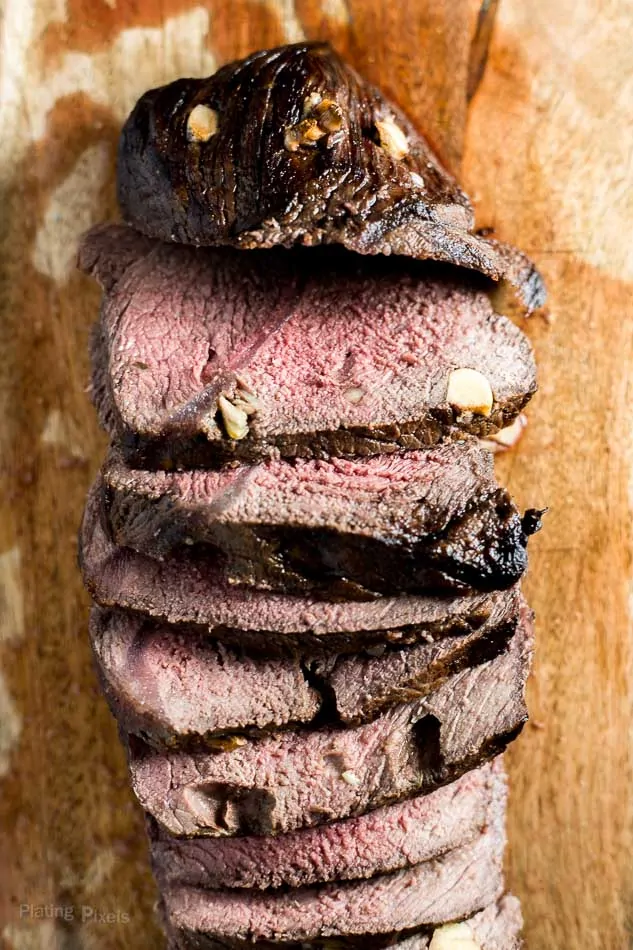
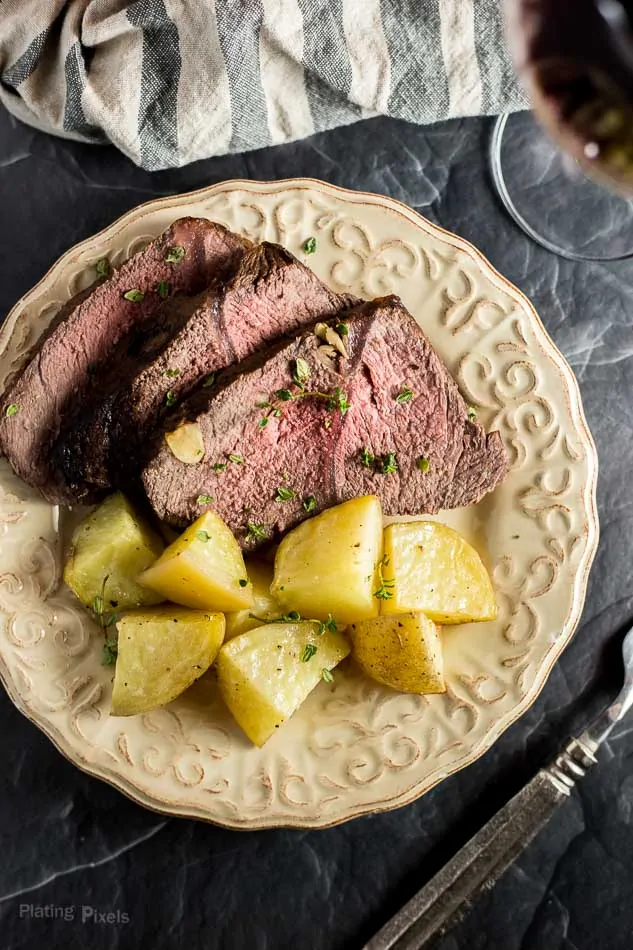
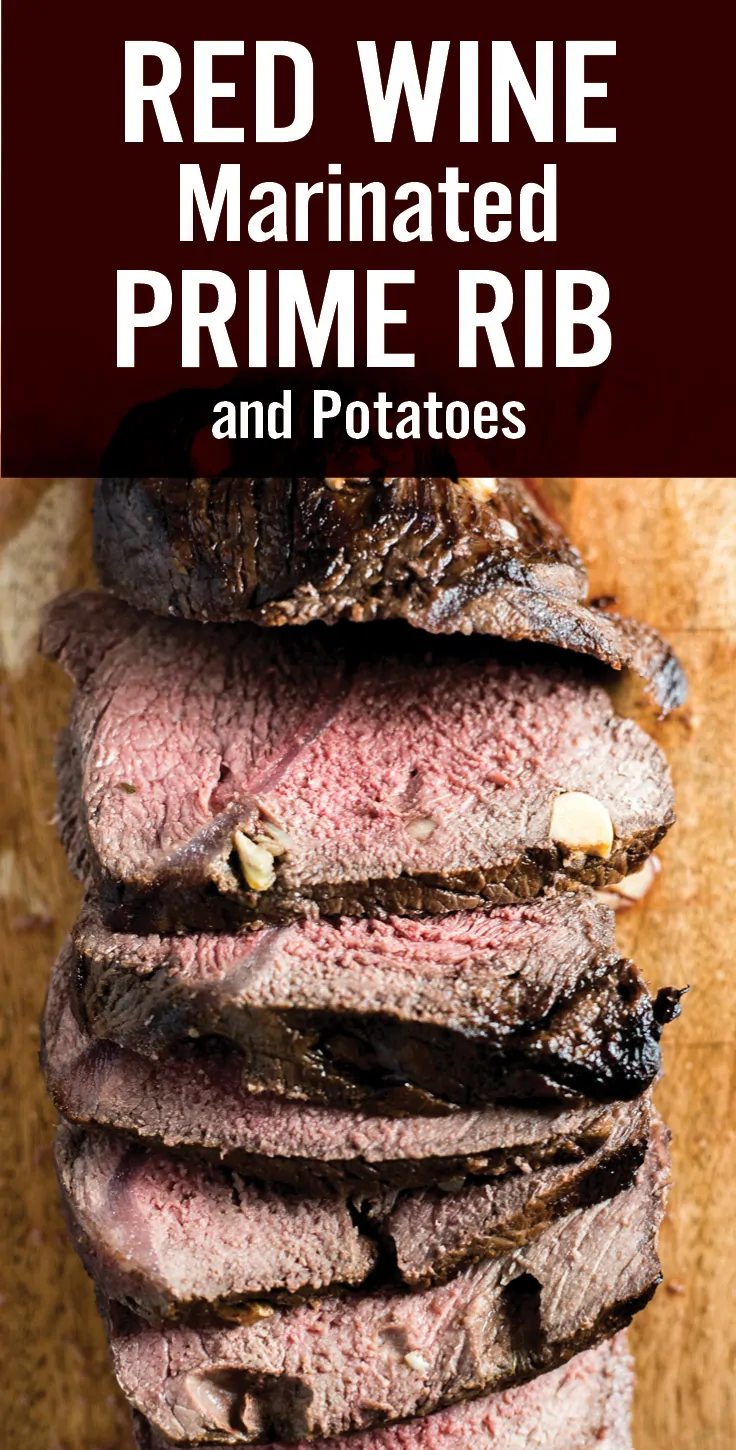
If you’re looking for the best boneless prime rib roast recipe to serve for the holidays, this oven-roasted prime rib hits every mark. It cooks up tender, juicy, and perfectly pink inside, with a beautifully browned crust. The simple, two-stage roasting method is reliable and beginner-friendly, even if it’s your first time learning how to cook a prime rib roast in the oven.
A classic prime rib roast is already rich and luxurious, but marinating it in red wine, garlic, and herbs takes the flavor even deeper. The marinade enhances the flavor of the roast and creates an incredible base for a restaurant-quality red wine au jus (instructions are shared later in the post). It’s an optional upgrade, but one that truly transforms the roast into a holiday showpiece.
Boneless Prime Rib Roast Recipe at a Glance
- Flavor Profile: Deep red wine richness with garlic, herbs, and savory caramelization
- Texture: Tender, medium-rare center with crisp a bark
- Main Ingredients: Prime rib, red wine, garlic, herbs, olive oil
- Difficulty: Easy to moderate (simple prep, mostly hands-off roasting)
- Time: About 60 minutes of roasting, with a recommended 6-hour marinade
- Yield: Serves 8 as a holiday dinner centerpiece
Whether you’re making a traditional Christmas prime rib or hosting a special holiday dinner, this oven-roasted boneless prime rib roast recipe delivers impressive results with minimal effort. Even with the liquid marinade, it still develops a gorgeous crust and stays unbelievably tender.
In this post, you’ll learn exactly how much prime rib to buy per person, how long to roast it based on weight, the internal temperatures for perfect doneness, how to make the red wine au jus, storage and serving tips, and more. It’s everything you need to feel confident making prime rib at home.
Restaurant prime rib can easily cost $35–$55 per serving. A 3-pound boneless roast from Costco or major grocery stores costs about $35 and serves 6 to 8 people. That’s roughly $6 to $8 per serving for a holiday-worthy dinner entreé. Scroll down for the full cost breakdown before the recipe card.
What Is Prime Rib?
Prime rib, also known as a standing rib roast or ribeye roast, comes from the same section as ribeye steaks. It’s prized among chefs and home cooks for its marbling, rich beef flavor, and naturally tender texture. When roasted low and slow, the fat melts into the meat, creating an incredibly juicy roast with a buttery, melt-in-your-mouth experience in every bite.
Prime rib is typically sold in two ways
- Bone-in prime rib: The bones help insulate the meat. Slightly juicier and more dramatic at the table.
- Boneless prime rib: Easier to carve and cooks more evenly, making it perfect for holiday dinners and home cooks.
This recipe uses boneless prime rib, so you get consistent cooking, effortless slicing, and a picture-perfect roast every time.
Ingredients for Marinated Prime Rib Roast
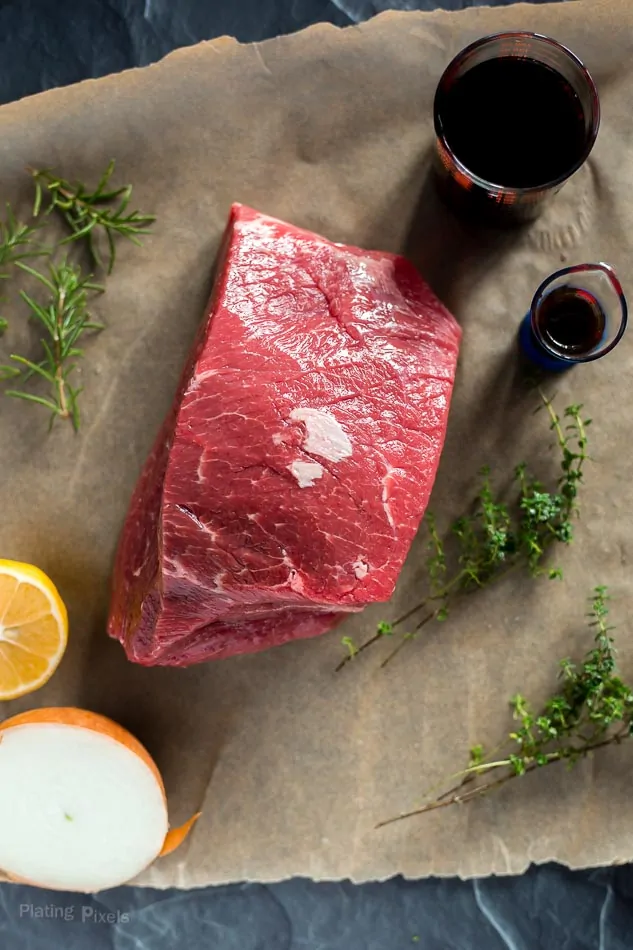
Here’s what makes this boneless prime rib roast so flavorful and perfect for your next holiday gathering:
- Boneless prime rib roast: Look for good marbling for the richest, most tender result.
- Red wine: Adds depth and tenderizes the roast. I like to use an average table wine instead of cooking wine. The flavor is much better, plus you can drink the rest! For alcohol-free: use ¾ beef broth plus 1 tablespoon of vinegar
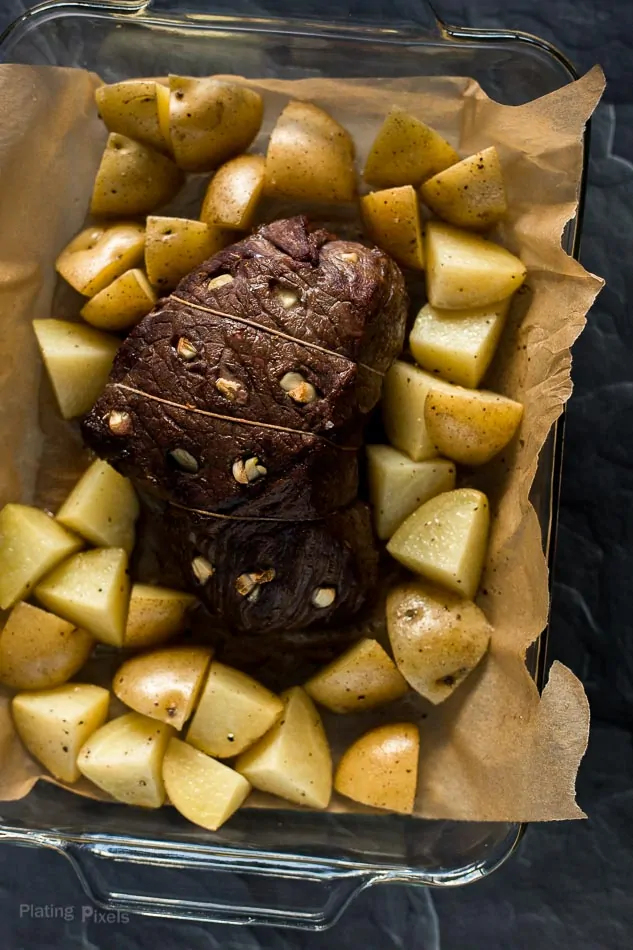
- Garlic: Essential for bold flavor in the marinade and herb crust. A secret trick of mine is to insert whole cloves into the meat while roasting.
- Lemon juice: Helps tenderize the meat and brightens up the flavors of the marinade.
- Worcestershire sauce: A great flavor enhancer for meats and adds umami flavor.
- Fresh or dried herbs: Rosemary, thyme, and parsley add aromatic flavor.
- Onion and garlic: Pairs wonderfully with the meat and wine flavors.
- Salt and pepper: Enhances the flavors of the meat and marinade.
Pro Tip: I like to cut slits into the meat and insert whole garlic cloves. This will infuse flavor, and they will roast into soft and mild flavor morels.
Prime Rib vs. Beef Ribeye Roast
These often get mixed up. They’re essentially the same meat, and your roast may be labeled either way. Here’s a simple breakdown:
- Prime rib roast: usually refers to a large roast (with or without bone) cooked low and slow
- Ribeye roast: the same cut, but usually boneless and trimmed
How Much Prime Rib Do You Need Per Person?
Below is a good rule of thumb:
- Boneless: ½ to ¾ pound per person
- Bone-in: 1 pound per person
For holiday dinners or when serving a crowd with big appetites, it’s better to lean toward the higher end. This will allow for seconds and leftovers.
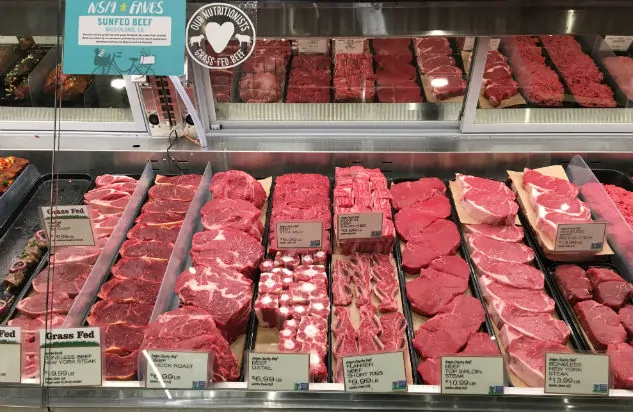
Where to Buy Prime Rib
Prime rib can be found at most specialty markets and natural food grocery stores, especially during the holiday season.
Pro tip: You may need to call your grocery store and order the prime rib ahead to be sure it’s available and in stock.
How to Marinate a Prime Rib Roast in Red Wine
This prime rib roaster recipe is already flavorful on its own, but the red wine and garlic marinade takes it from delicious to unforgettable.
- Pat the roast dry. It’s ok to leave on the fat; this is what adds flavor and juiciness.
- Mix the marinade: red wine, lemon juice, Worcestershire sauce, onion, garlic, rosemary, thyme, salt, and pepper.
- Place the roast in a large bag or dish and pour the marinade over it.
- Refrigerate at least 6 hours, or overnight, turning occasionally so the marinade coats every side.
- Remove the roast from the marinade and pat dry before roasting to help with browning.
Note: Marinating overnight will give the best flavor, but even 4–6 hours will make a noticeable difference.
Oven Roasting Prime Rib
Want to know how to cook a Prime Rib Roast in the oven? Here’s the simple and reliable roasting method that creates a tender inside and a perfectly browned crust:
- Bring to room temp: Once marinating is finished, bring the roast to room temperature by letting it sit out for about 1 hour before roasting for more even cooking.
- Preheat oven to 450°F: This high heat jump-starts browning.
- Roast at high heat: Place the roast on a rack or directly in a roasting pan. Roast 10 minutes at 450°F.
- Reduce the heat and slow roast: Lower the temperature to 325°F and cook until desired doneness. See the chart below for cooking times based on roast weight.
- Rest before slicing: Remove from the oven and let it rest for 20 to 30 minutes to let the juices redistribute. Note, the internal temp rises slightly as it sits.
The result? A tender, evenly cooked roast with a gorgeous crust.
Prime Rib Cooking Time by Weight
These times assume a 10-minute sear at 450°F, followed by roasting at 325°F, until the desired internal temperature is reached. Always check with a meat thermometer for accuracy.
For Medium-Rare (warm red center, most popular)
Internal temp target: 125–130°F, then rises to 130–135°F during rest:
- 2.5 lb roast: 50–60 minutes
- 3 lb roast: 60–75 minutes
- 3.5 lb roast: 75–85 minutes
- 4 lb roast: 85–100 minutes
- 5 lb roast: 100–120 minutes
- 6 lb roast: 120–135 minutes
For Medium (warm pink center)
Internal temp target: 135–140°F, rises to 140–145°F during rest: Add 10–15 minutes to the above times. For Rare (cool red center)
Internal temp target: 115–120°F, rises to 120–125°F during rest: Subtract 10–15 minutes from the medium-rare times.
Prime Rib Roast Internal Temperature Guide
Use an instant-read thermometer inserted into the thickest part of the roast:
- Rare: Remove from the oven at 115–120°F
- Medium-rare: Remove at 125–130°F
- Medium: Remove at 135–140°F
- Medium-well: Remove at 145–150°F (not recommended for prime rib)
Pro Tip: The roast will rise 5°F during the resting period. Prime rib varies by shape, fat content, and starting temperature. Begin checking the internal temp 15 to 20 minutes before the estimated time is up to prevent overcooking.
Why Use Butcher’s Twine with Prime Rib
Tying a prime rib keeps the roast compact, which helps it cook evenly and brown beautifully. Sometimes roasts come pre-tied, but if yours doesn’t, wrap butcher’s twine around it every inch before roasting, then remove the twine after resting and before cutting.
Note: this is an optional step, but it will give a uniform shape and more even, restaurant-style slices.
Red Wine Au Jus (Simple and Flavor-Packed)
Use the leftover bits from the pan to make a Red Wine Au Jus. It elevates the roast with rich and savory flavor.
Ingredients
- Pan drippings (all the browned bits and juices)
- 1 cup dry red wine (reserved from the marinade)
- 1 cup beef broth
- 1 tablespoon Worcestershire sauce
- 1 teaspoon Dijon mustard (optional, but adds depth)
- Salt and pepper, to taste
- 1 tablespoon butter (optional for a silky finish)
How to Make It
- Remove the roast from the pan and place the pan over medium heat (make sure it’s stove top safe).
- Add red wine and simmer 3 to 4 minutes, scraping up the browned bits.
- Stir in broth and Worcestershire. Simmer 5 to 10 minutes until slightly reduced.
- Whisk in Dijon (optional) and season to taste.
- Remove from the heat and melt in butter for a glossy, restaurant-style finish.
Tip: If you prefer a thicker sauce, reduce the beef broth or whisk in 1 teaspoon of cornstarch mixed with 1 to 2 tablespoons of water.
Frequently Asked Questions
Should prime rib be cooked bone-in or boneless?
Both work, but boneless is easier to carve and cooks more evenly. Flavor is nearly identical.
Do I need to marinate prime rib?
It’s not necessary, but a red wine marinade adds deeper flavor and helps tenderize the roast. Even 2–4 hours makes a difference. If you don’t have time to marinate the prime rib, even a simple seasoning of salt and pepper will create an amazing roasted prime rib.
How long to marinate prime rib
Marinate prime rib at least 6 hours in the fridge, or overnight, up to 24 hours. It’s important to give the marinade time and let the flavors develop.
Can this be made without wine?
Red wine adds wonderful flavor to the marinade and doesn’t add any alcohol content once cooked. However, it can be substituted if you prefer to omit for health or personal reasons. Substitute it with ¾ beef broth, plus 1 tablespoon of vinegar.
What internal temperature should I cook prime rib to?
Medium-rare is the gold standard. Pull at 125–130°F and let it rest; it rises to 130–135°F.
How do I get a perfect crust or bark?
Pat dry, roast 10 minutes at 450°F, then drop to 325°F. The high heat does an initial quick sear that browns the roast, then a longer, lower-heat roast keeps the inside moist and juicy.
Should I cook prime rib fat-side up or down?
Always bake a prime rib fat-side up so it self-bastes as it roasts.
How much prime rib do I need per person?
Plan on ¾–1 pound per person for boneless, or 1–1¼ pounds for bone-in.
Mistakes to Avoid (Prime Rib Troubleshooting)
Here are some common mistakes and simple ways to fix them:
My prime rib turned out tough
It was either overcooked or sliced too soon. Always pull the roast early and let it rest 20–30 minutes before slicing.
It didn’t brown enough on the outside
Make sure the roast is patted dry before roasting, and don’t skip the 450°F initial sear.
It cooked unevenly
Let the roast sit at room temperature for about 1 hour before cooking to warm the interior.
The roast took longer than expected to cook
Shape and size affect cooking. Tall, thicker roasts take more time than shorter, wider ones. Always go by the internal thermometer, not exact minutes, to ensure the desired doneness.
The au jus is too salty
Add some water, simmer, and rebalance with a pat of butter.
Tips for the Best Prime Rib
- Marinate the beef for as long as possible: Ideally, overnight, or for at least 6 hours for best results.
- Let the meat sit at room temperature for at least 60 minutes before roasting. If you cook cold meat straight from the fridge, it will not cook as evenly, and the outside may overcook.
- Add the roast to a hot oven (450°F) then immediately reduce to 325°F to speed up baking time. This will ensure the prime rib is tender and doesn’t overcook. It also helps to create a nice bark on the outside, similar to grilling or searing meat.
- Let the beef rest for 20 to 30 minutes after cooking. This is an important step to ensure that the juices stay inside the meat, keeping it juicy, tender, and full of flavor.
- Use a meat thermometer to ensure the roast is cooked properly. It should have an internal temperature of 125–130° F for medium-rare.
How to Carve a Boneless Prime Rib Roast (Step-by-Step)
Carving prime rib is simple. Follow these steps for clean, even slices.
- Let it rest fully: Rest for 15 to 20 minutes so the juices settle. Carving too early causes juices to run out and the meat to dry.
- Stabilize the roast: Place it on a large cutting board with a groove to catch juices. Position the roast so the fat cap faces up.
- Trim the outer fat edge (optional): If there’s a thicker fat layer on the outside, shave off only what you don’t want to serve. Leave some for flavor. I like to keep it on and let the guests decide.
- Slice against the grain: Use a long, sharp carving knife. Cut straight, even slices about ½ to ¾ inch thick. Cutting against the grain ensures tenderness in every bite.
- Serve warm: Place the carved slices on a platter and serve immediately.
Bonus tip: If serving a crowd, slice half the roast, then keep the rest intact (covered to keep warm) so it stays juicy as people go back for seconds.
How to Store, Freeze, and Reheat Prime Rib
- Refrigerate: Store sliced prime rib in an airtight container for 3–4 days. Store au jus separately.
- Freeze: Wrap slices tightly in plastic wrap, then foil, and freeze up to 2 months. Freeze au jus in a separate container.
- Reheat (so it stays pink inside): Place slices in a baking dish with a splash of beef broth or au jus. Cover tightly and warm at 250–275°F for 10–20 minutes until just heated through.
- Reheat in au jus for best results: Adding a little au jus keeps the meat tender and prevents drying.
- Avoid microwaving: If you must, keep it under 30 seconds per slice so you don’t overcook the center.
- Serve cold: Leftover prime rib is surprisingly delicious served chilled, which keeps it perfectly pink and prevents any overcooking. Try it in a prime rib sandwich with horseradish cream, or chop into cubes to serve in a delicious prime rib salad for easy prime rib leftovers.
Serving Suggestions
Pair this roast with classic, comforting sides like these:
- Cauliflower Mashed Potatoes
- Creamy Mashed Potatoes
- Cauliflower Mac and Cheese
- Gluten-Free Mac and Cheese
- Au Gratin Potatoes
- Roasted Potato Wedges
- String Bean Casserole
Carb-Conscious Tip
Prime rib is naturally low in carbs, so you can easily keep this meal keto-friendly by serving it with low-carb sides like Brussels sprouts, broccoli, or sautéed mushrooms. Or with my Cauliflower Mashed Potatoes for a simple way to enjoy a classic holiday roast without the extra carbs.
More Holiday Dinners You Might Like
- Roasted Cornish Game Hens
- Herbed Pork Loin with Mushroom Sauce
- Italian Fish Soup
- Whole Baked Trout
- Apricot Pork Chops
- Grilled Rack of Lamb
- Spinach Parmesan Stuffed Pork Loin
More Holiday Favorites
- Easy Apple Pie Filling
- Christmas Tree Cookies
- Sugar Cookies Recipe
- Craisins White Cheddar Cheese Ball
- Homemade Eggnog Pudding
- Eggnog Waffles
- Cranberry Ginger Ale Spritzer
- Peppermint Rice Krispie Treats
- Pumpkin Cheese Ball
- Caramel Apple Cheese Ball
Recipe Cost Breakdown
Total estimated recipe cost: $41.08
Cost per serving (8 servings, entrée only): ~$5.14
Comparable restaurant prime rib entrée with sides: ~$35–$60 per serving
Toggle Full Ingredient Cost Breakdown
| Ingredient | Amount Used | Estimated Cost |
|---|---|---|
| Beef prime rib roast | 3 lb | $36.00 |
| Dry red wine | ¾ cup | $1.50 |
| Onion | ½ cup chopped | $0.40 |
| Lemons | 2 juiced | $1.00 |
| Worcestershire sauce | 1 Tbsp | $0.08 |
| Garlic | 3 cloves | $0.10 |
| Fresh rosemary | 3 sprigs | $1.00 |
| Fresh thyme | 3 sprigs | $1.00 |
| Total | $41.08 |
Based on actual amount of ingredients used and U.S. national average grocery prices as of 2026. Actual costs may vary by region or store.
Oven-Roasted Boneless Prime Rib Roast
Ingredients
- ¾ cup dry red wine for alcohol-free: use ¾ beef broth plus 1 tablespoon of vinegar
- ½ cup chopped onion
- 2 medium lemons juiced
- 1 tablespoon Worcestershire sauce
- 2 cloves garlic minced
- ½ teaspoon salt
- ¼ teaspoon black pepper
- 3 sprigs fresh rosemary
- 3 sprigs fresh thyme
- 3 pound beef prime rib roast
- 2 cloves garlic halved
Instructions
- For the best flavor and tenderness, you'll need to marinate the prime rib at least 6 hours or overnight. Be sure to plan ahead so your roast is ready in time for your holiday meal.
- In a small bowl, stir together the wine, onion, lemon juice, Worcestershire sauce, rosemary, thyme, minced garlic, salt, and pepper. Set aside.
- Cut small slits into the roast and insert the garlic pieces into the holes.
- Place the roast in a large Ziploc bag, and add the marinade. Seal tightly and marinate in the fridge for at least 6 hours or overnight, rotating the bag occasionally.
- Let the roast sit at room temperature for at least 60 minutes.
- Preheat the oven to 450° F. Line a large baking dish or pan with parchment paper or foil.
- Discard the marinade and onions (or save about 1 cup to make an Au Jus sauce). Place the roast in the center of the dish, fat side up, and place it in the center of the oven. Roast for 10 minutes 450° F.
- Reduce the heat to 325° F and bake 50 to 60 minutes more, or until the center of the roast reaches 130-135° F (medium-rare) with a thermometer. See notes below for cooking times based on the roast size.
- Remove from oven and let rest for 20 to 30 minutes before slicing and serving.
Notes
Prime Rib Cooking Time by Weight
For Medium-Rare (warm red center, most popular).Internal temp target: 125–130°F, then rises to 130–135°F during rest:
- 2.5 lb roast: 50–60 minutes
- 3 lb roast: 60–75 minutes
- 3.5 lb roast: 75–85 minutes
- 4 lb roast: 85–100 minutes
- 5 lb roast: 100–120 minutes
- 6 lb roast: 120–135 minutes
Internal temp target: 135–140°F, rises to 140–145°F during rest: Add 10–15 minutes to the above times. For Rare (cool red center).
Internal temp target: 115–120°F, rises to 120–125°F during rest: Subtract 10–15 minutes from the medium-rare times.
Tips for the Best Prime Rib
- Use a meat thermometer. Cooking times are only estimates. The thermometer is the only way to guarantee the perfect doneness.
- Don’t skip the initial high heat. The 450°F sear jump-starts browning and builds the crust before the slow roast.
- Begin checking the temperature early. Prime rib can vary based on shape and marbling. Start checking 15–30 minutes before the earliest estimated cook time.
- Remove the roast before your target doneness. It rises about 5°F as it rests, which is key for medium-rare.
- Rest fully before slicing. A 20–30 minute rest redistributes juices and keeps the meat ultra-tender.
- Roasting fat-side up naturally bastes the meat and keeps the inside juicy.
- Use a rack if possible. Elevating the roast allows heat to circulate and cook evenly. If you don’t have one, roasting directly in the pan still works.
- Slice against the grain. This ensures the most tender, restaurant-quality bite.
- Make the red wine au jus while it rests (instructions within the post). This saves time, plus it uses the natural drippings while they’re still hot, so everything comes together seamlessly.
Delicious! Loved the classic seasoning and it came out so delicious and juicy. Well worth the time it takes to make.
Prime rib is one of the tastiest cuts and always goes down well here. What a delicious recipe, the wine makes the gravy so deep and flavoursome.
I’m all about prime rib, especially in the holiday season! And I can only imagine how ridiculously delicious it is after being marinated in red wine. Amazing!
Wine makes a lot of things so much more tasty. Thanks Sues.
Prime rib is absolutely one of my favorite holiday meals! Definitely need to try making it this year. Thanks for sharing!
Thanks Amanda and hope you do!
So glad I read your note about reserving the prime rib ahead. I’m going to do that for Christmas.
Glad that was helpful Jenna! It can be a bit hard to find during the holiday season so doesn’t hurt to ask.
Wow and wow, this is so delicious and it makes my mouth watering.
yessss! This is the perfect recipe for me. Looks VERY tasty!
Thanks and thanks Mary! Glad you like the recipe!
Oh yum – that meat looks perfectly cooked. My husband would love this.
I bet he would! Thanks Danielle.
Yes please Matt! I like how you have said that you have room in your oven for the sides and I agree! This is such a perfect Thanksgiving or Christmas recipe. I am definitely saving this recipe (got to love a little red wine in your meals!) .
I totally agree Adrianne. It’s nice to cook your sides with the main to save space at times!
I love Worcestershire sauce in marinades — especially when it combines with red wine! And that garlic! Oh my I love this.
I agree on the Worcestershire sauce. It adds so much flavor and I should remember to use it more often.
This looks amazing! I am a huge red wine lover and love that you combined it with steak!
I’ve never heard of that store before—guess I need to get out of the west side of the valley more often. 🙂 Love any meat that is cooked in wine and prime rib is a staple in my family for Christmas.
Whoah Matt! Please put this on my plate for breakfast this morning…YUMMMM!
Prime rib is so good when it’s done right, I think red wine is an excellent way to go.
Great recipe, the meat is cooked at perfection, I also love to cook potato with the meat. What an amazing meat counter, makes me want to fly over to California.